E- COMPLICATIONS
189
SIS
SECS
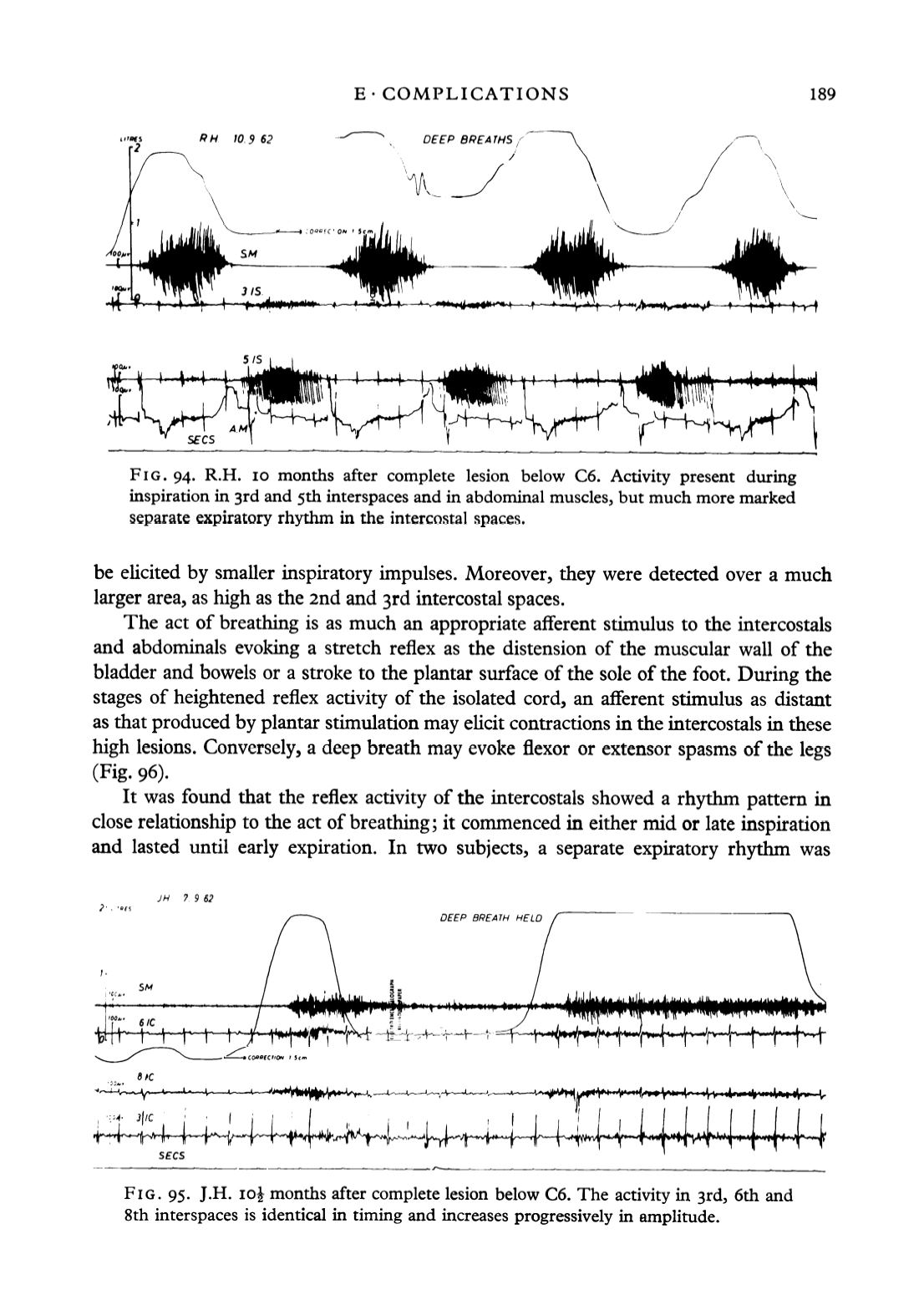
FIG. 94. R.H. 10 months after complete lesion below C6. Activity present during
inspiration in 3rd and 5th interspaces and in abdominal muscles, but much more marked
separate expiratory rhythm in the intercostal spaces.
be elicited by smaller inspiratory impulses. Moreover, they were detected over a much
larger area, as high as the 2nd and 3rd intercostal spaces.
The act of breathing is as much an appropriate afferent stimulus to the intercostals
and abdominals evoking a stretch reflex as the distension of the muscular wall of the
bladder and bowels or a stroke to the plantar surface of the sole of the foot. During the
stages of heightened reflex activity of the isolated cord, an afferent stimulus as distant
as that produced by plantar stimulation may elicit contractions in the intercostals in these
high lesions. Conversely, a deep breath may evoke flexor or extensor spasms of the legs
(Fig. 96).
It was found that the reflex activity of the intercostals showed a rhythm pattern in
close relationship to the act of breathing; it commenced in either mid or late inspiration
and lasted until early expiration. In two subjects, a separate expiratory rhythm was
H———I————t
SECS
FIG. 95. J.H. io£ months after complete lesion below C6. The activity in 3rd, 6th and
8th interspaces is identical in timing and increases progressively in amplitude.


