F- CLINICAL ASPECTS OF SPINAL CORD INJURIES
307
the form of a tetrahedron, but when filled it assumes an oval, pear shaped or circular
form. This fluid reservoir is provided with emptying and closing mechanisms consisting
of smooth and striated muscles.
The muscles of the forces of the emptying mechanism consist of: (a) Three, though
not distinctly separate, smooth layers of detrusor muscle originating embryologically,
with the exception of the trigone, from the allantois. The trigone (Trigonum vesicae
Lieutaudy) originates embryologically from those parts of the cloacal wall from which the
Wolff's ducts run out. The mucosa of the trigonal area is smooth and differs distinctly
from the other parts of the bladder wall which has a reticular contour formed by the
detrusor bundles. The detrusor represents the main expulsive force, (b) Striated muscle
groups consisting of diaphragm and abdominal muscles.
The forces of the closing or fluid retention mechanism consist of: (a) striated external
urethral sphincter and the striated muscles of the pelvic floor (perineal muscles, bulbo—
and ischiocavernosus and levator ani), originating embryologically from the cloacal
muscles, (b) Smooth muscle bundles of the bladder neck which, however, are inter
mingled with striated muscle bundles originating from the external urethral sphincter
(Wesson, 1920; McCrea, 1926). Thus, the detailed muscular arrangement of the bladder
is rather complicated and somewhat confusing. Outer and inner dorsal and ventral
longitudinal muscle bundles are intertwined with transverse and circular muscle bundles,
and at the vesical neck there exists interlacing of smooth and striated muscle fibres.
Taking part in the formation of the vesical neck, which extends from the internal urethral
meatus to the circular part of the external urethral sphincter, including the prostatic
Detail of
muscular relations
Schematic representation
Urefer
entering
body wall
Deep
muscular
plane
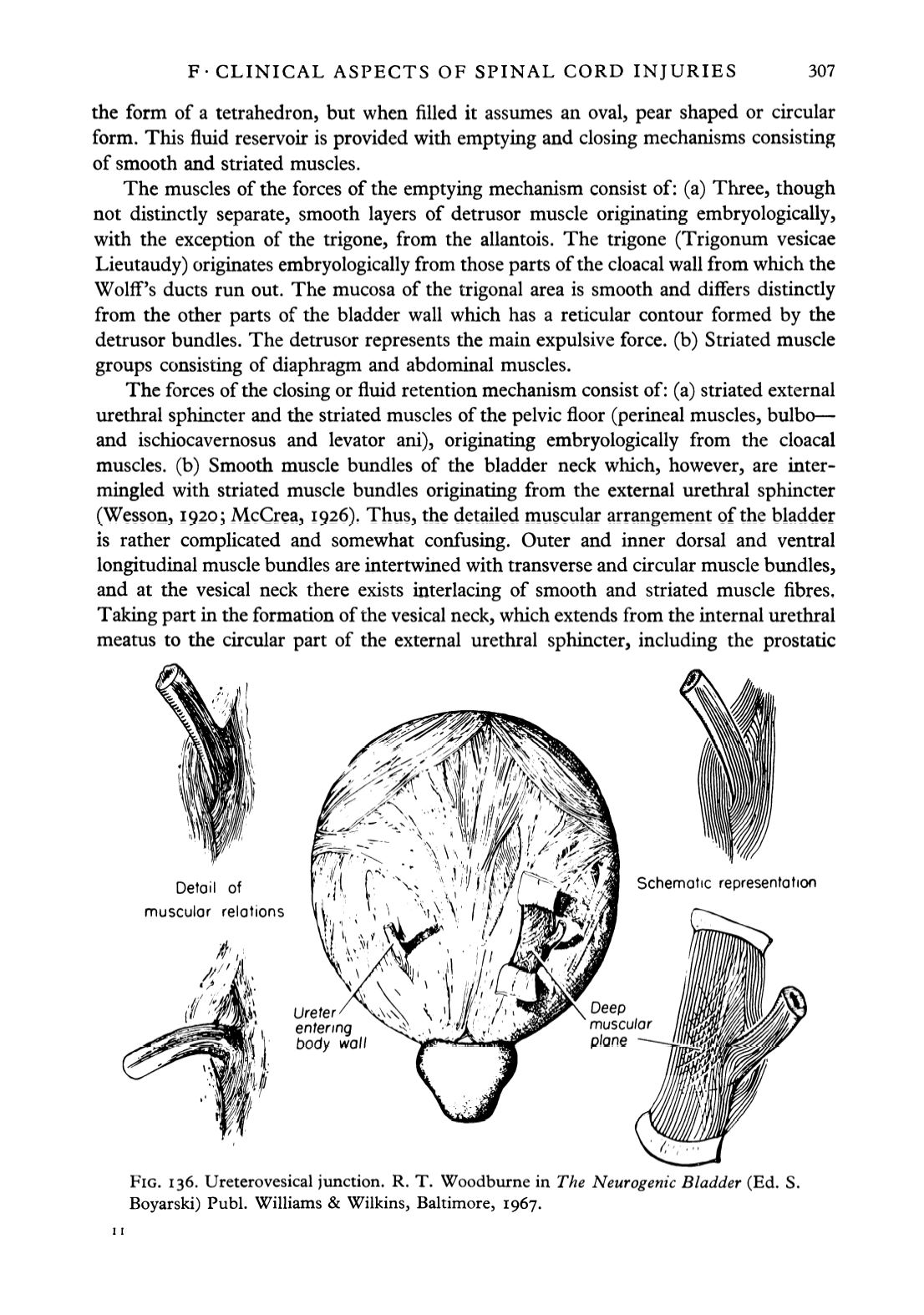
FIG. 136. Ureterovesical junction. R. T. Woodburne in
The Neurogenic Bladder
(Ed. S.
Boyarski) Publ. Williams & Wilkins, Baltimore, 1967.
11


