574
CHAPTER 33
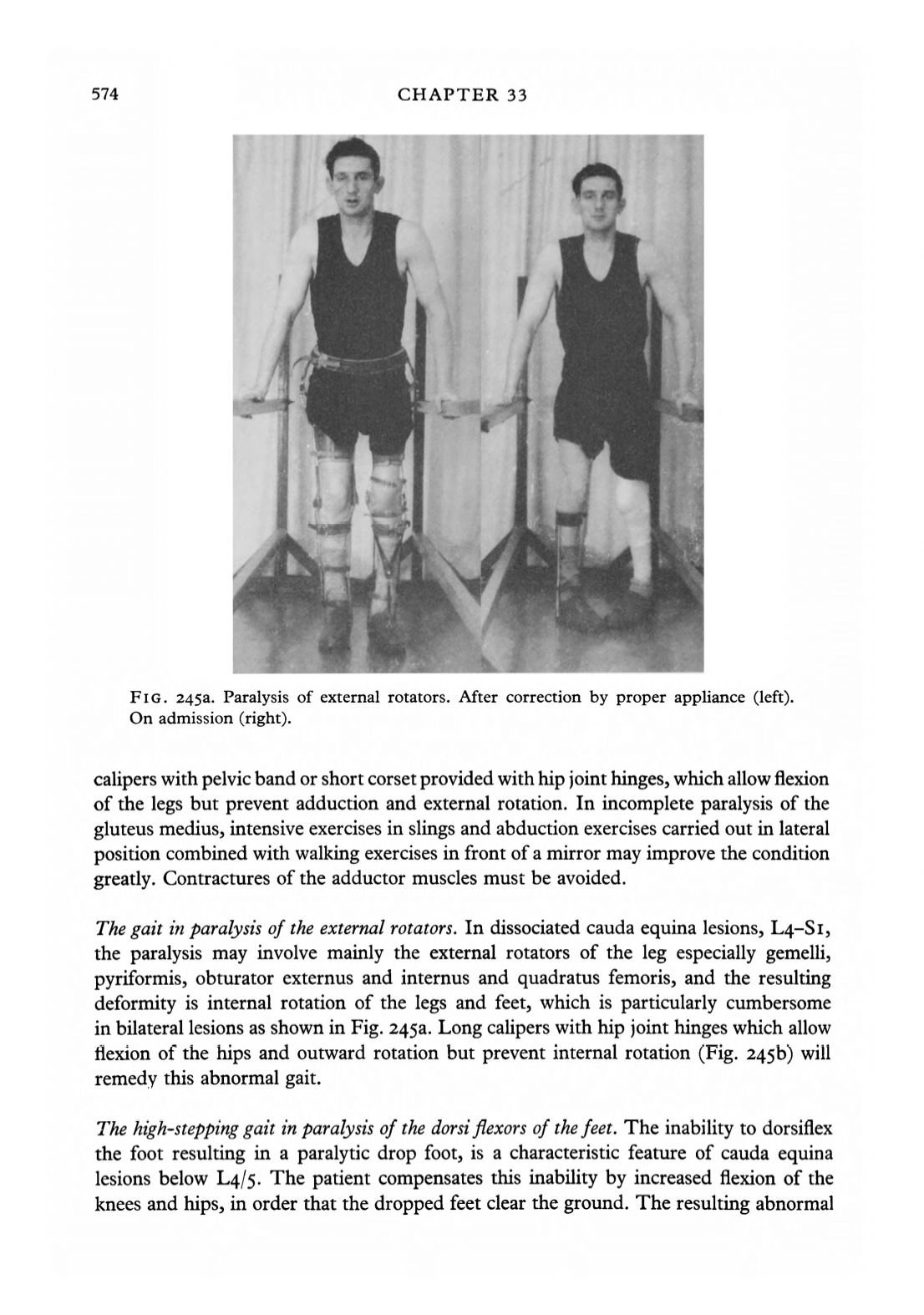
FIG. 2453. Paralysis of external rotators. After correction by proper appliance (left).
On admission (right).
calipers with pelvic band or short corset provided with hip joint hinges, which allow flexion
of the legs but prevent adduction and external rotation. In incomplete paralysis of the
gluteus medius, intensive exercises in slings and abduction exercises carried out in lateral
position combined with walking exercises in front of a mirror may improve the condition
greatly. Contractures of the adductor muscles must be avoided.
The gait in paralysis of the external rotators.
In dissociated cauda equina lesions, L4~Si,
the paralysis may involve mainly the external rotators of the leg especially gemelli,
pyriformis, obturator externus and internus and quadratus femoris, and the resulting
deformity is internal rotation of the legs and feet, which is particularly cumbersome
in bilateral lesions as shown in Fig. 2453. Long calipers with hip joint hinges which allow
flexion of the hips and outward rotation but prevent internal rotation (Fig. 245b) will
remedy this abnormal gait.
The high-stepping gait in paralysis of the dorsi flexors of the feet.
The inability to dorsiflex
the foot resulting in a paralytic drop foot, is a characteristic feature of cauda equina
lesions below 1-4/5. The patient compensates this inability by increased flexion of the
knees and hips, in order that the dropped feet clear the ground. The resulting abnormal


