F- CLINICAL ASPECTS OF SPINAL CORD INJURIES
525
In these cases, the injection was performed between the 3rd and 4th lumbar vertebrae
and immediately transformed the spastic automatic bladder into a hypotonic autonomous
bladder with greatly increased capacity, as shown in Fig. 20ob, which allows closure of
suprapubic cystostomy or discontinuation of indwelling catheter drainage and proves
essential in the treatment of urinary reflex incontinence (see Fig. 164). It is obvious that
the intrathecal alcohol block in such cases, where the disco-ordinated and contracted
spastic bladder and the intractable spasticity of the legs are transformed into a flaccid
lower motor neurone lesion within a few minutes, is infinitely preferable to a laminectomy
and radical anterior and posterior rhizotomy from Tio to 85, with all the paraphernalia
of a major and long lasting operation, as advocated by Meirowsky, Scheibert & Hinchey
(1950). Moreover, the establishment of a flaccid motor paralysis greatly helped in the
healing of pressure sores and, in particular, facilitated plastic repair. Finally, in spastic
cases developing pathological fractures of long bones, for instance of the femur, the
alcohol block facilitated proper alignment by osteosynthesis. Another beneficial effect of
the alcohol block was found in cases with spasticity of the legs associated with most
troublesome outbursts of hyperhidrosis. Fig. 220a shows a patient with a complete
traumatic transverse lesion below Ti2, who was suffering from spasms and almost con
stant profuse sweating over both lower limbs which made his life miserable. Following
alcohol block sweating in the lower limbs was greatly diminished and practically abolished
below the knee at the end of the sweat test, while the proximal parts of the body showed
profuse sweating (Fig. 22ob).
Undesirable side effects and contraindications.
The most undesirable side effect is the loss
of sexual reflex activity which may be permanent. Therefore, the intrathecal block is
contraindicated in cases of incomplete lesions with severe spasticity, where the sexual
function, in particular, erections are maintained. It is also contraindicated in lesions
with satisfactory reflex or voluntary function of the bladder. In such cases, operations on
peripheral nerves or muscles or peripheral nerve or motor point blocks with alcohol or
phenol are the methods of choice. Another drawback to the intrathecal alcohol block is
the flaccid paralysis of the rectum, and great care must be taken to avoid constipation
by manual evacuation, combined, if necessary, with enemas and laxatives.
40
-c blood alcohol concentrations
-x urine alconol concentrations
2
0
10 20 30 40 50 60 70 80 0
Time in minutes
(a)
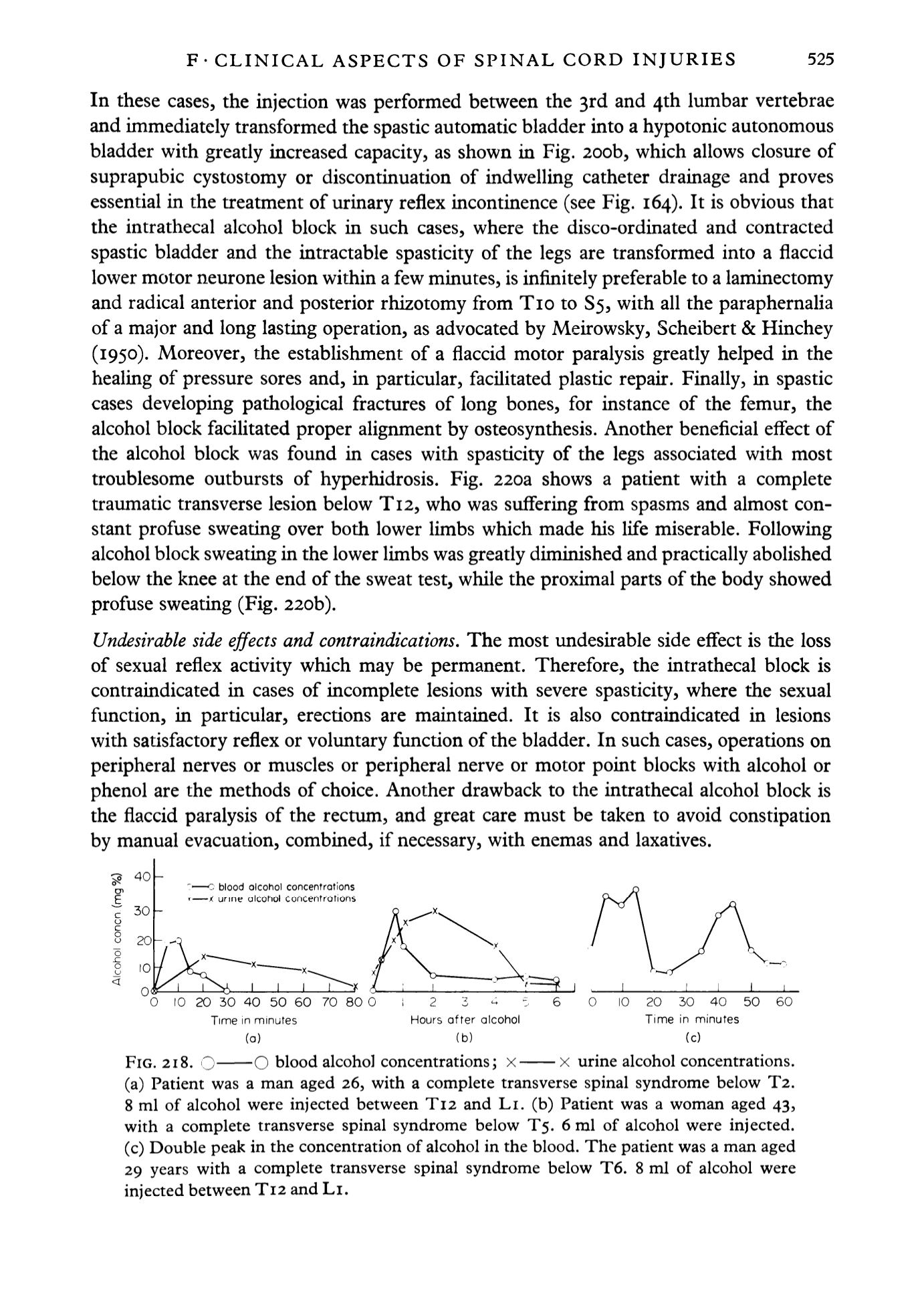
FIG. 218. O——O blood alcohol concentrations;
o
10
60
Hours after alcohol
(b)
X-
20
30
40
50
Time in minutes
(c)
x urine alcohol concentrations.
(a) Patient was a man aged 26, with a complete transverse spinal syndrome below T2.
8 ml of alcohol were injected between Ti2 and Li. (b) Patient was a woman aged 43,
with a complete transverse spinal syndrome below T5. 6 ml of alcohol were injected,
(c) Double peak in the concentration of alcohol in the blood. The patient was a man aged
29 years with a complete transverse spinal syndrome below T6. 8 ml of alcohol were
injected between Ti2 and Li.


