F CLINICAL ASPECTS OF SPINAL CORD INJURIES
273
vascular maladaptation to the vertical position in complete lesions above T5, particularly
in cervical lesions, manifests itself in rapid and uninhibited accumulation of blood in
the abdominal area and lower limbs due to the inability of the blood vessels in the viscera
to contract, due to deprivation of control of the roots of the splanchnic nerves. This
results in decrease in the supply to the central veins and insufficient return of venous
blood and consequently insufficient cardiac output. The blood pressure shows rapid and
steep fall, the pulse rate is raised to the highest level and syncope follows in a few seconds
or minutes.
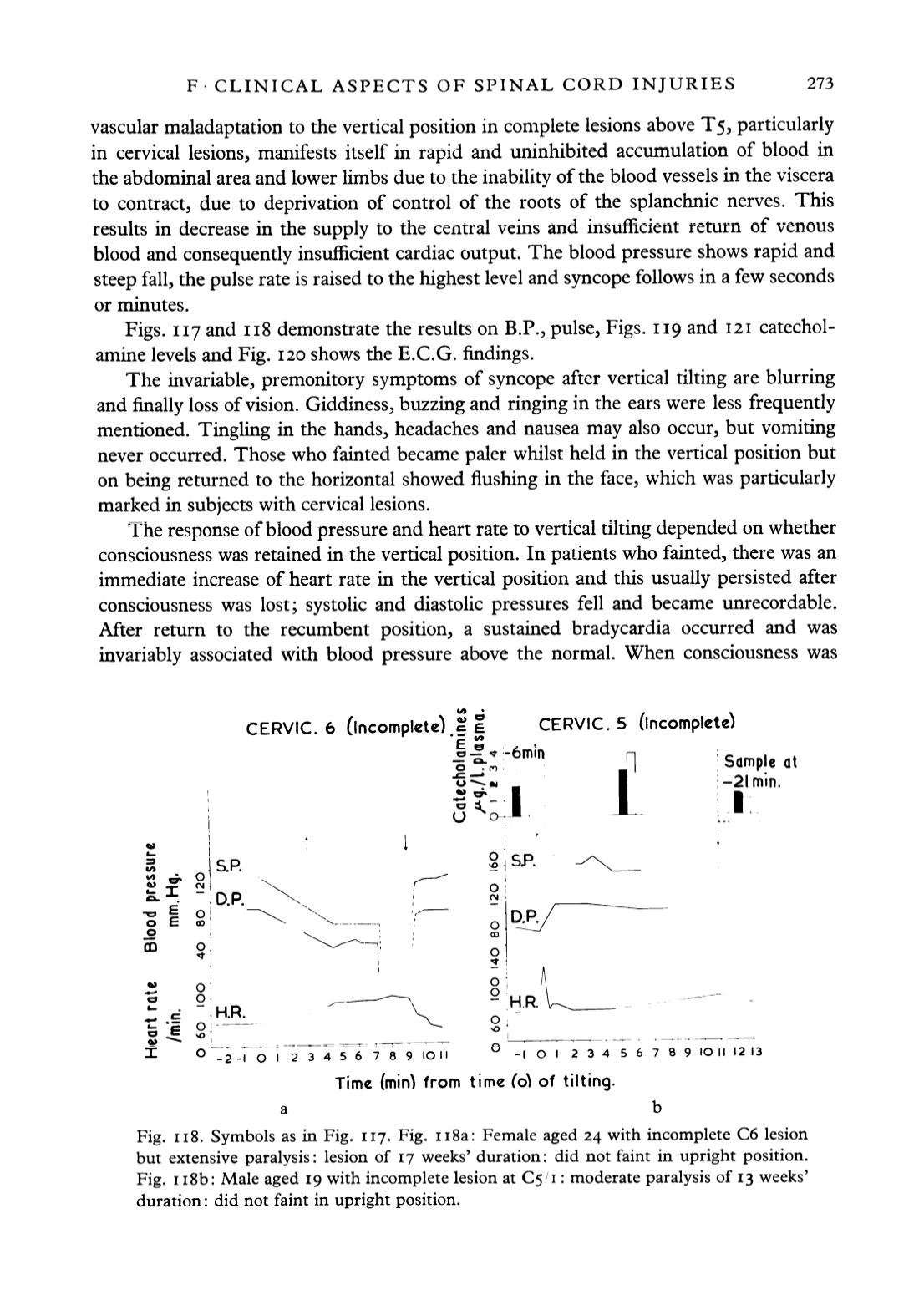
Figs. 117 and 118 demonstrate the results on B.P., pulse. Figs. 119 and 121 catechol-
amine levels and Fig. 120 shows the E.C.G. findings.
The invariable, premonitory symptoms of syncope after vertical tilting are blurring
and finally loss of vision. Giddiness, buzzing and ringing in the ears were less frequently
mentioned. Tingling in the hands, headaches and nausea may also occur, but vomiting
never occurred. Those who fainted became paler whilst held in the vertical position but
on being returned to the horizontal showed flushing in the face, which was particularly
marked in subjects with cervical lesions.
The response of blood pressure and heart rate to vertical tilting depended on whether
consciousness was retained in the vertical position. In patients who fainted, there was an
immediate increase of heart rate in the vertical position and this usually persisted after
consciousness was lost; systolic and diastolic pressures fell and became unrecordable.
After return to the recumbent position, a sustained bradycardia occurred and was
invariably associated with blood pressure above the normal. When consciousness was
CERVIC. 6 (incomplete).E £
CERVIC. 5 (incomplete)
Sample at
-2lmin.
l
-2 -I O
I
23 456 789IOM
-I Ol 234 56789 IOIII2I3
Time (min) from time fc>\ of tilting,
a
b
Fig. 118. Symbols as in Fig. 117. Fig. n8a: Female aged 24 with incomplete C6 lesion
but extensive paralysis: lesion of 17 weeks' duration: did not faint in upright position.
Fig. i i8b: Male aged 19 with incomplete lesion at C5/i: moderate paralysis of 13 weeks'
duration: did not faint in upright position.


