274
CHAPTER 25
retained, there was either a transient or slight retained increase of heart rate and systolic
pressure and a maintained rise in diastolic pressure.
The changes in heart rate were recorded by the E.C.G. during and after tilting
procedures. Only occasionally was irregularity associated with the cardiac acceleration
in the vertical position, and the main changes observed in the vertical position were
found in the P and T waves, due to the cardiac acceleration. Depression of ST segment
occurred in 4 patients, when consciousness was lost.
(a.) Subjects did not faint.
I/)
0.
UJ
z
O
I
u
UJ
i-
u
CO
C\J
O
CO
(N
O
in
ro
OJ
O -
Te
Ts
(b.)Subjects fainted.
C4
Cs
Cs
I
T6
u ...k
T3
T4/5
tM
Til/12
CO
CN
O
L
mi
C6
C6
Tilt
t
111
Pre-tilt'
Vost-tilt
C-CERVICAL LESION
T-THORACIC LESION
x-INCOMPLETE
LESION
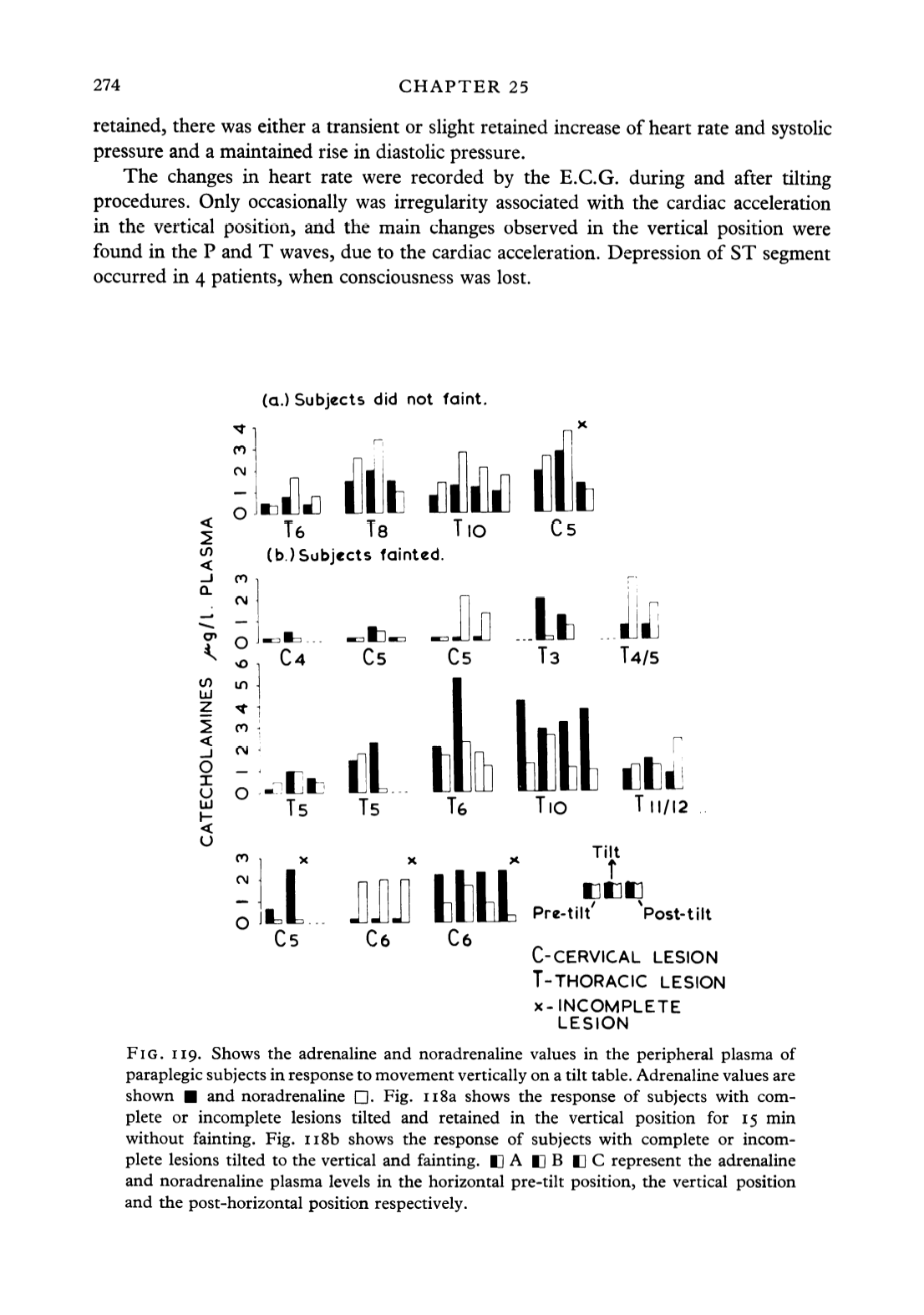
FIG. 119. Shows the adrenaline and noradrenaline values in the peripheral plasma of
paraplegic subjects in response to movement vertically on a tilt table. Adrenaline values are
shown • and noradrenaline Q. Fig. n8a shows the response of subjects with com
plete or incomplete lesions tilted and retained in the vertical position for 15 min
without fainting. Fig. n8b shows the response of subjects with complete or incom
plete lesions tilted to the vertical and fainting. B A E B (] C represent the adrenaline
and noradrenaline plasma levels in the horizontal pre-tilt position, the vertical position
and the post-horizontal position respectively.


