F- CLINICAL ASPECTS OF SPINAL CORD INJURIES
561
the Second World War, received his paraplegia while in the water through a shell. He
immediately adjusted himself and using his arms saved his life by swimming ashore.
While the back-stroke is used in the initial training, as being the easiest stroke, para
plegics even with higher lesions, including distal cervical lesions, can also become skilled
in breast-stroke and crawl. Fig. 237 demonstrates back-stroke in a tetraplegia below
C6/7 (note the buoyancy of the paralysed legs) and Fig. 238 crawl executed by two
paraplegics.
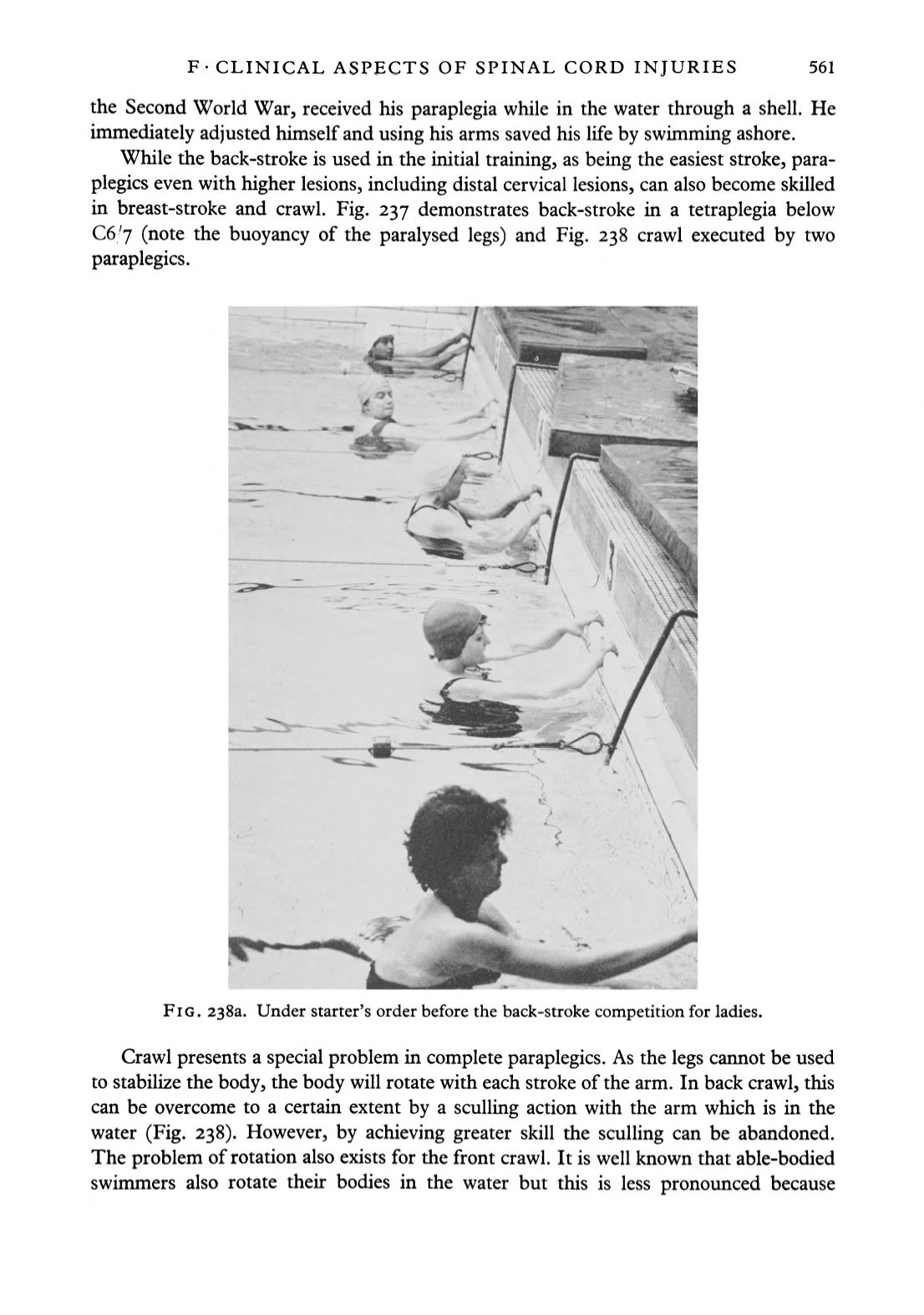
FIG. 2383. Under starter's order before the back-stroke competition for ladies.
Crawl presents a special problem in complete paraplegics. As the legs cannot be used
to stabilize the body, the body will rotate with each stroke of the arm. In back crawl, this
can be overcome to a certain extent by a sculling action with the arm which is in the
water (Fig. 238). However, by achieving greater skill the sculling can be abandoned.
The problem of rotation also exists for the front crawl. It is well known that able-bodied
swimmers also rotate their bodies in the water but this is less pronounced because


